
Resources
Return portal, return labels, EU law, exchanges and return analytics
Nine practical guides for Shopify stores: how a return portal works, how return labels are automated, what EU law requires, the difference between complaints and withdrawal, how to write a return policy, how to run returns across DK, SE, NO and DE — and how to turn return data into business decisions.
 EU complianceThe EU right of withdrawal — and how Nexly keeps you compliantEvery online store selling to EU consumers is bound by the right of withdrawal in Directive 2011/83/EU, implemented in Denmark through Forbrugeraftaleloven. Nexly turns those legal duties into buttons your customer can actually press, and into an audit trail you can show a regulator.14 days+12 months
 The problemThe hidden cost of manual returns, exchanges and labelsManual returns look cheap because the cost is spread across inboxes, spreadsheets and carrier portals. It is not cheap. It is the most expensive part of most Shopify operations, and it is the part customers judge you on.16.9%$890bn
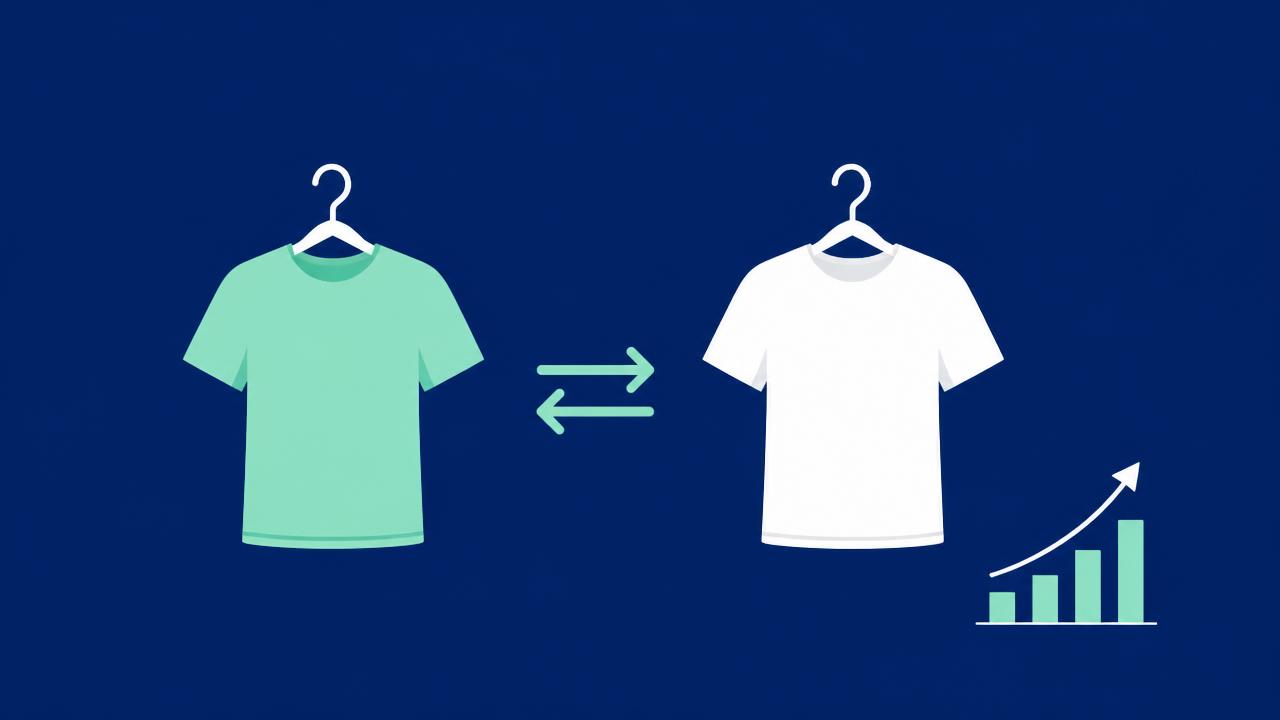 EvidenceWhat the research says about easy exchangesThe commercial argument for a good returns portal is not that returns get cheaper. It is that a share of them stops being a refund. Here is the published evidence, and what it means for a Nordic Shopify store.76%67%+
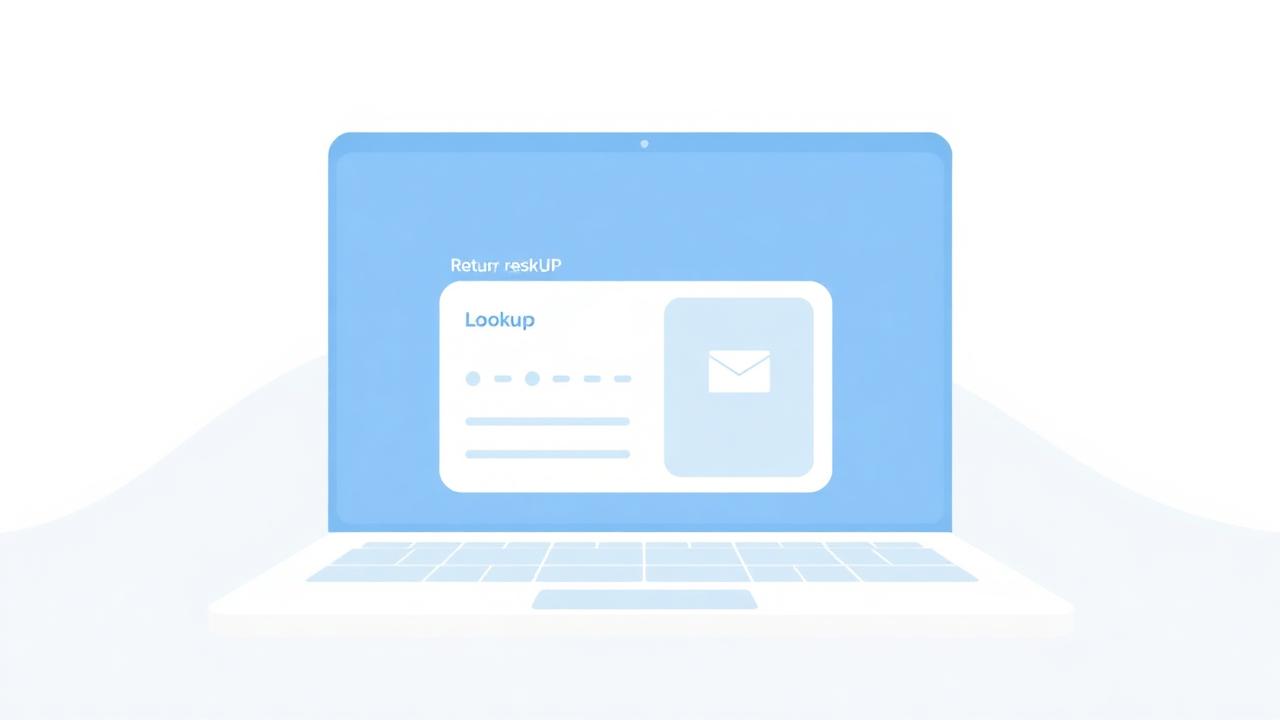 Return portalReturn portal for Shopify: what it is, and how to set one upA return portal is the page your customer opens instead of writing to support. It looks up the real Shopify order, applies your rules, offers an exchange before a refund, and produces the return label — without anyone on your team touching it.0 emails< 60 sec
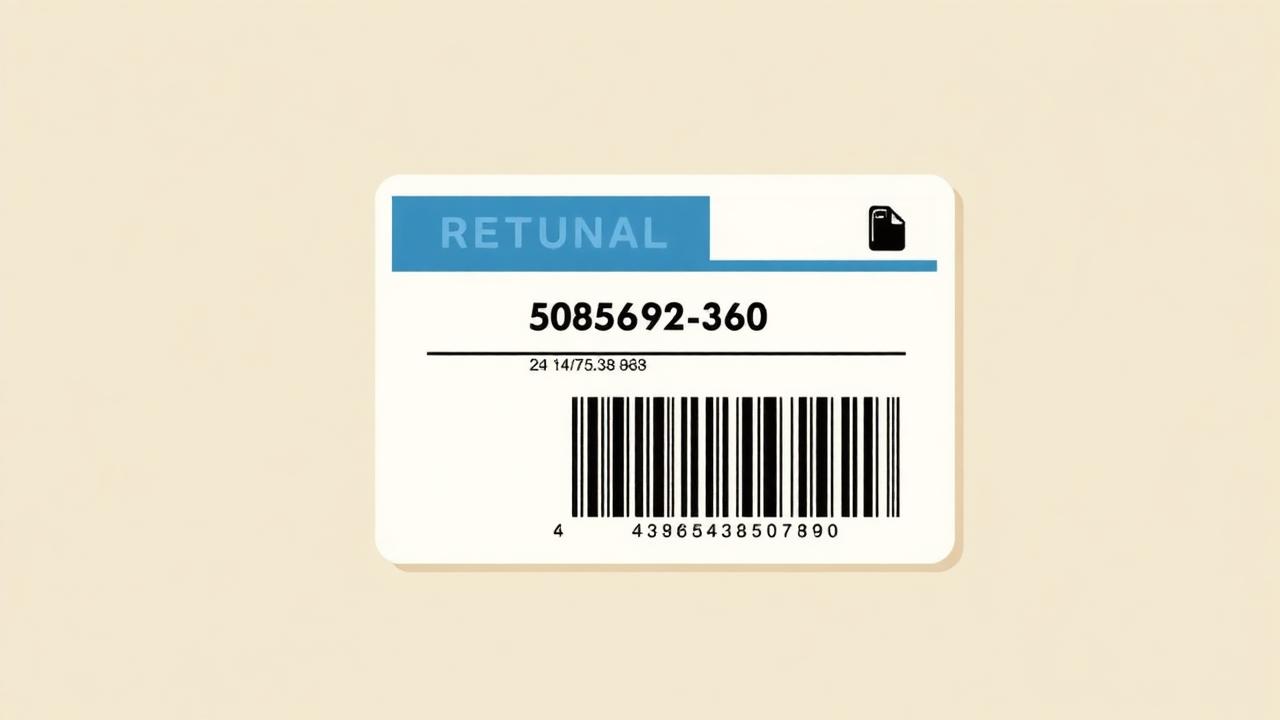 LabelsReturn labels: how they work, and how to automate themA return label is a prepaid shipping document booked on your carrier account so the customer can send the parcel back. Getting it right is mostly about who pays, which product code the carrier expects, and never booking the same one twice.6 min75 hrs/mo
 Consumer lawRight to complain vs. right of withdrawal — the difference that costs moneyTwo rights, two clocks, two sets of shipping rules — and one very common mistake: treating a faulty product as a regret return. Here is the practical difference, and how to make the portal handle both.14 days2 years
 PolicyHow to write a return policy that converts (and stays legal)Your return policy is a conversion asset that happens to be a legal document. Written well, it removes purchase hesitation and reduces support tickets. Written badly, it invites disputes you will lose.76%14 days
 Cross-borderReturns across DK, SE, NO, DE — one Shopify store, four sets of rulesSelling to Denmark, Sweden, Norway and Germany from one Shopify store means one catalogue — and four different returns realities. Carrier, cost, currency and customs all change at the border.4+Non-EU
 Analytics & AIReturn analytics: how to turn return reasons into business decisionsMost stores treat return data as an accounting residue: a number the finance team reconciles once a month. But every return is a structured customer survey you already paid for — it tells you which product lies, which size chart is wrong, and which market costs you money. The stores that act on it systematically run materially lower return rates than the stores that just process parcels.16.9%76%